


Fire extinguishing systems are a set of equipment and technologies that are installed in various spaces to automatically or manually extinguish fires. These systems play an important role in protecting human and animal lives, reducing financial losses, and preventing the spread of fire.
1. Types of Fire Extinguishing Systems:
1. Sprinkler Systems:
• One of the most common and effective fire extinguishing systems that uses water as an extinguishing agent.
• Function: These systems consist of pipes installed in the ceiling. When the ambient temperature reaches a certain level (for example, 67 degrees Celsius), the water taps open and water is sprayed onto the burned area.
• Advantages: Suitable for public spaces, buildings, warehouses, and cases where widespread fires are likely.
2. Gaseous Systems:
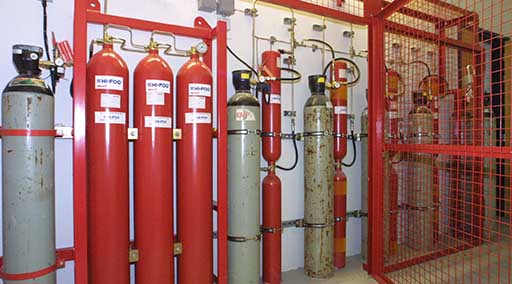
• These systems use specific gases to extinguish fires, the most common of which are CO2 (carbon dioxide) and FM-200 gas.
• Function: As soon as a fire is detected, the gas enters the space and reduces the available oxygen, which extinguishes the fire.
• Advantages: These systems are used in environments that are sensitive to water (such as server rooms, telecommunications rooms, and electronic equipment).
3. Foam Systems:
• These systems are designed for fuel fires such as oil, gasoline, and other flammable liquids.
• Function: These systems produce foam that is drawn to the surface of the fire and prevents oxygen from coming into contact with the fire.
• Advantages: These systems are very suitable for specific areas where there are combustible materials.
4. Dry Chemical Systems:
• In these systems, chemicals are sprayed onto the fire in a dry form.
• Function: These chemicals extinguish the fire by chemical reaction.
• Advantages: These systems are usually used in engine rooms, factories and spaces that contain hazardous chemicals.
5. Water and Chemical Systems (Water Mist Systems):
• These systems extinguish the fire using water mist.
• Function: Water is emitted from pipes in the form of fog or fine steam, which reduces the temperature and extinguishes the fire.
• Advantages: These systems are especially useful in closed environments and spaces that are at risk of damage to expensive equipment, such as server rooms.
2. How Fire Extinguishing Systems Work:
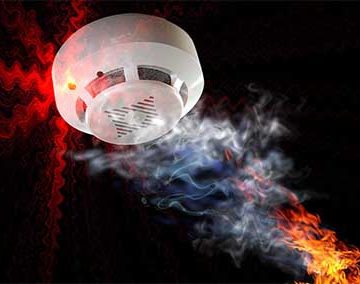
• Fire Detection: The first step in fire extinguishing systems is to detect the fire. This detection is usually done by fire alarm systems or temperature and smoke sensors.
• System activation: Upon detection of a fire, the fire extinguishing system is automatically activated. In some systems, this action is done through heat, smoke, or even pressure detectors.
• Fire extinguishing: Upon activation, the system releases a fire extinguishing agent (water, gas, foam, or chemicals) to extinguish the fire.
• End of operation: After the fire is extinguished, fire extinguishing systems must review their settings to ensure that the fire does not spread again.
3. Official sources and standards for fire extinguishing systems:
1. NFPA (National Fire Protection Association): This organization has set standards such as NFPA 13 for water systems and NFPA 2001 for gas fire extinguishing systems.
2. ISO 6182: This is the international standard for automatic fire sprinkler systems.
3. BS 5306: British Standard for Fire Extinguishing Systems.
4. Local and National Regulations: In each country, there may be specific standards for the installation and maintenance of fire extinguishing systems that must be followed.

No comments